
Less pressure made a noticeable difference. Several solid 3- to 4-pound largemouth were grouped around 12 feet, and once we found the productive zone, slowing down was the key to staying on fish.
Changing vegetation pushed the best fish deeper
Water temperatures were still hovering around 80°F, but the vegetation was beginning to change as the seasonal transition slowly got underway. We caught a few bass around shallow structure, but the most consistent quality was deeper.
The better fish were holding around 12 feet of water. That depth gave us a repeatable target and produced multiple quality bites instead of scattered single fish.
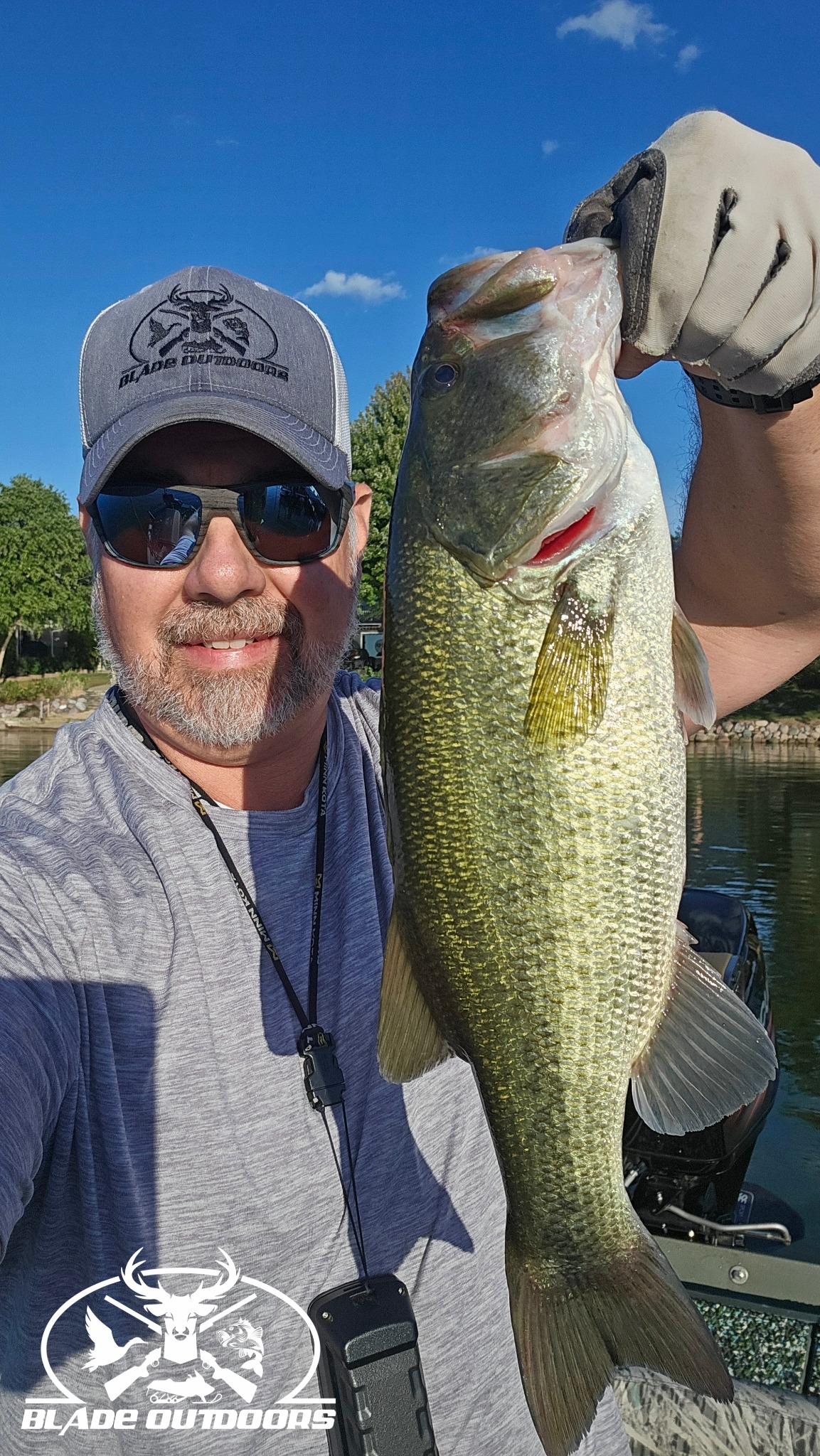
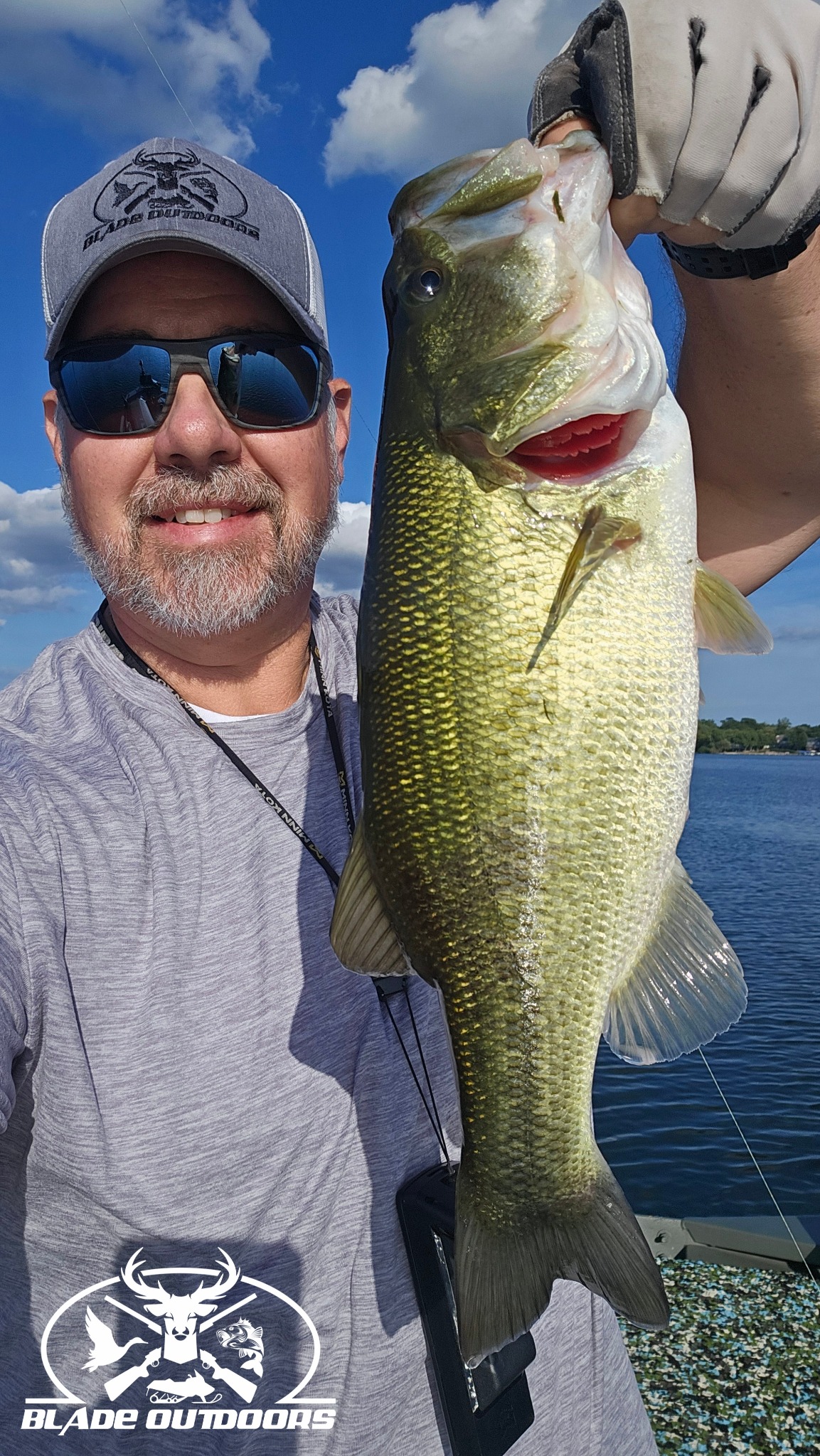
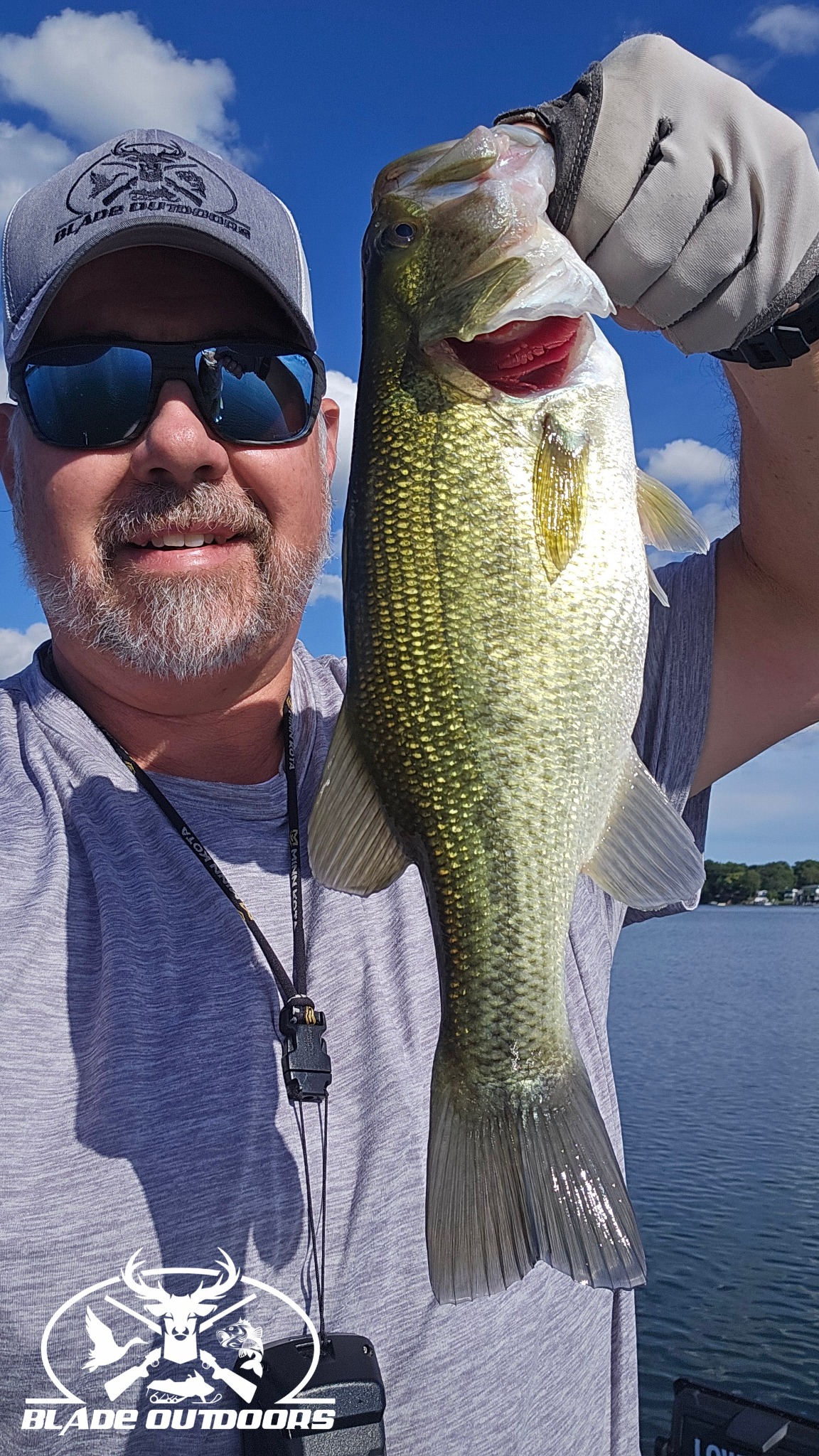
Shaky heads and wacky rigs produced
Shaky heads and wacky-rigged Blade Outdoors stickbaits generated the bites. Both presentations could be worked slowly through the productive zone without pulling away from fish that were not willing to chase.
Faster-moving options—including spinnerbaits, bladed jigs and crankbaits—did not get it done. The bass showed us exactly what they wanted: a slow presentation that stayed near them.
Do not leave fish to find fish
Once the deeper pattern became clear, the biggest mistake would have been abandoning it to search for something more exciting. The slower presentation required patience, but it consistently produced the better fish.
The lesson was simple: slow down, stay in the productive zone and do not leave fish to find fish.